
"UK colonial coffee trade"
60 article(s) found

Which country is Sri Lanka closest to? How long will the boiled Ceylon tea last?
Really watch one of the world's best thriller writers witness the rise of the Ceylon tea industry and the lush Ceylon tea plantation station in Sri Lanka to witness a group of indomitable courage to develop tea planters and choose to grow tea. throw lemons in life. The first tea garden in Sri Lanka was founded by Jen, a Scot.

In the coffee popular area, the British prefer to drink tea.
The British like to drink tea, but people living around Britain are keen on another kind of drink, coffee. Why did the British fall in love with that cup of tea surrounded by the coffee epidemic area?

British people who once loved coffee in coffee culture switched to tea.
The British like to drink tea, but people living around Britain are keen on another kind of drink, coffee. The Nordic region, located in the north of England, is the most coffee-hungry region in the world. The five Nordic countries occupy the first, second, third, fourth and sixth places in the ranking of coffee consumption per capita, respectively, while Belgium, which ranks eighth, faces the United Kingdom across the sea. Why are the British?

Englishmen who used to love coffee drink tea instead.
The British like to drink tea, but people living around Britain are keen on another kind of drink, coffee. The Nordic region, located in the north of England, is the most coffee-hungry region in the world. The five Nordic countries occupy the first, second, third, fourth and sixth places in the ranking of coffee consumption per capita, respectively, while Belgium, which ranks eighth, faces the United Kingdom across the sea. Why are the British?

Why do Englishmen who once loved coffee drink tea instead?
The British like to drink tea, but people living around Britain are keen on another kind of drink, coffee. The Nordic region, located in the north of England, is the most coffee-hungry region in the world. The five Nordic countries occupy the first, second, third, fourth and sixth places in the ranking of coffee consumption per capita, respectively, while Belgium, which ranks eighth, faces the United Kingdom across the sea. Why are the British?

In the coffee popular area, the British prefer to drink tea.
The British like to drink tea, but people living around Britain are keen on another kind of drink, coffee. The Nordic region, located in the north of England, is the most coffee-hungry region in the world. The five Nordic countries occupy the first, second, third, fourth and sixth places in the ranking of coffee consumption per capita, respectively, while Belgium, which ranks eighth, faces the United Kingdom across the sea. Why are the British?

In the coffee popular area, the British prefer to drink tea.
The British like to drink tea, but people living around Britain are keen on another kind of drink, coffee. The Nordic region, located in the north of England, is the most coffee-hungry region in the world. The five Nordic countries occupy the first, second, third, fourth and sixth places in the ranking of coffee consumption per capita, respectively, while Belgium, which ranks eighth, faces the United Kingdom across the sea. Why are the British?
Coffee culture changes British people who once loved coffee changed to drink tea.
The British like to drink tea, but people living around Britain are keen on another kind of drink, coffee. The Nordic region, located in the north of England, is the most coffee-hungry region in the world. The five Nordic countries occupy the first, second, third, fourth and sixth places in the ranking of coffee consumption per capita, respectively, while Belgium, which ranks eighth, faces the United Kingdom across the sea. Why are the British?
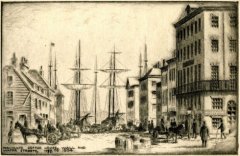
Global Cafe Chronicle
Some of the most important coffee shops in coffee history, some of which have survived for more than two hundred years, are still open today.

Roasting coffee beans with technology-modified ruts
Although coffee drinking and growing methods developed dramatically in the seventeenth and eighteenth centuries, progress in roasting was very poor. The most common method of roasting at the time was to follow the Middle Eastern method of simple roasting: placing green coffee beans in an iron pan, then moving to a fire and roasting, stirring until the coffee beans were evenly mixed.

Where coffee is popular, Britons prefer tea?
British people love tea, but people living around Britain are keen on another drink, coffee. Northern Europe, north of Britain, is the most coffee-crazed region in the world. The five Nordic countries occupy the first, second, third, fourth and sixth positions in the coffee consumption ranking table per capita, while Belgium, which ranks eighth, faces Britain across the sea. why the British
Boutique coffee Rwanda coffee origin Rwanda coffee practice
Rwandans have been growing coffee since colonial times, but until 1999, its products were still classified as below Class C and were not popular in the global market. The reason for the poor quality is that farmers do not have a fixed procedure for washing coffee beans and do not process coffee fruits according to specifications in time. Buyers buy coffee beans at $0.33 per kilogram, and farmers keep warm by the meagre profits earned at low prices.

Fine coffee Rwanda coffee manor Rwanda coffee producing area
Rwandans have been growing coffee since colonial times, but until 1999, its products were still classified as below Class C and were not popular in the global market. The reason for the poor quality is that farmers do not have a fixed procedure for washing coffee beans and do not process coffee fruits according to specifications in time. Buyers buy coffee beans at $0.33 per kilogram, and farmers keep warm by the meagre profits earned at low prices.

St. Helena Coffee single Bean Flavor description Variety planting Development History production area treatment taste introduction
St. Helena coffee can be traced back to 1733, brought into the seed cultivation by the British East India Company, exiled from the island after Napoleon's defeat, and praised St. Helena coffee, even on his deathbed, wanted to taste it again, contributing to the reputation of St. Helena coffee. Wind taste: the color is amber, the flavor is between wild and moderate and bright, with the rich fruity shadow of mocha beans.
An introduction to the Historical Origin of Malaba Coffee in Rwanda
Following caf é (Wechat official account vdailycom) found that Malaba Coffee, Rwanda Malaba Coffee (Rwandan: Ikawa ya Maraba, French: Caf de Maraba) is a fair trade certified coffee grown in Malaba area of southern Rwanda. The coffee crop of Malaba is a bourbon variety of Arabica species.

Introduction to the description of the Flavor of Coffee varieties with the characteristics of Grinding degree in Chilmel Manor, Rwanda
People revolved around the computers in the new telecom center in late 2004, when the London simultaneous Brewery (Meantime Brewery) began to offer coffee beer made from coffee beans produced by Malaba. The drink is identified as an alcoholic chilled cappuccino or digestif. The chief brewer tasted coffee from all over the world and decided to add trace amounts to Malaba coffee.

Kenya Coffee Bean planting History location and Flavor description
For professional baristas, please follow the coffee workshop (Wechat official account cafe_style) Kenya (Kenya) is located in eastern Africa, adjacent to Ethiopia, the source of coffee. Despite the fertile soil, coffee was first grown in the country when Bourbon (French mission) was introduced from Brazil in 1893 in memory of French missionaries; it was like walking to the left and to the right.

Coffee Bean planting History and Flavor characteristics in Kenya
For professional baristas, follow the coffee workshop (Wechat official account cafe_style). Coffee trees in Kenya can blossom twice a year. Most coffee trees bloom in March and April after the long rainy season, and in most coffee producing areas, the harvest season lasts from October to the end of the year. Some coffee trees blossom in October or November and are harvested in July of the following year.

Kenya coffee beans single bean introduction grading standard flavor description
For professional baristas, follow the coffee workshop (Wechat official account cafe_style). Coffee trees in Kenya can blossom twice a year. Most coffee trees bloom in March and April after the long rainy season, and in most coffee producing areas, the harvest season lasts from October to the end of the year. Some coffee trees blossom in October or November and are harvested in July of the following year.

Introduction to the description of baking degree in the flavor producing area of Rwanda boutique coffee beans
Comic relief, a British charity, is also interested in Malaba. They pledged to use some of the 55 million pounds earned from their 2001 Red nose Day (Red Nose Day) in the UK and Africa to donate to the Genocide Widows Association (Association des Veuves du Genocide,AVEGA), one of the great universities of Rwanda in 1994.